

In your late twenties, working from home can feel like you’re always “on.” There’s no commute to signal the start or end of the day. Your laptop sits just a few steps away from your bed, and work quietly bleeds into everything else. Before you realize it, your days blur together—emails, edits, messages, deadlines. It’s productive, but it can also be exhausting.
I started noticing this more as I got deeper into remote work. On the outside, the setup looked ideal. Flexible schedule. No traffic. The ability to work from anywhere. But the hidden challenge is that you have to build your own boundaries. No office clock. No coworkers packing up at 5 PM. Just you deciding when to stop.
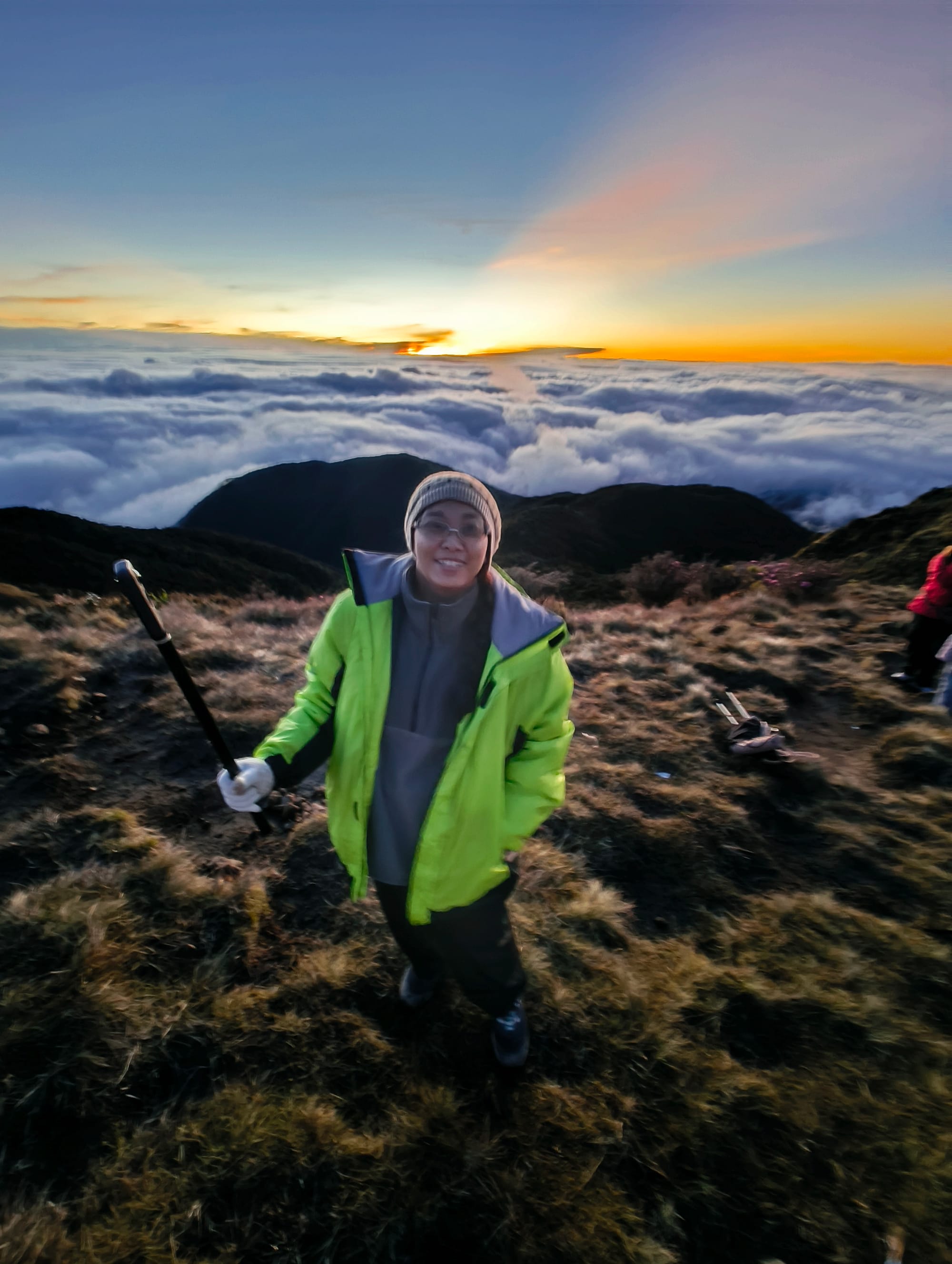
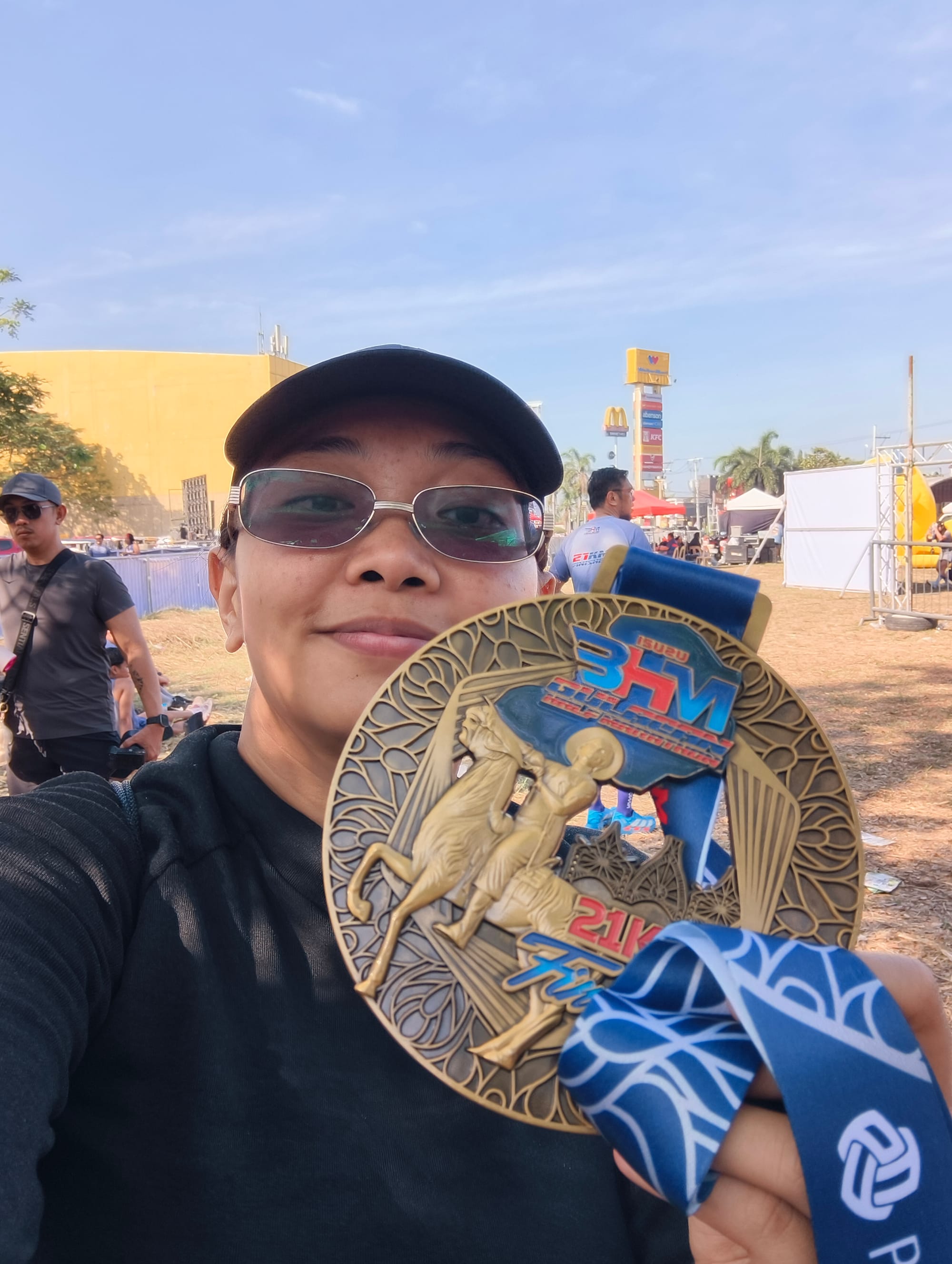
Running and hiking have helped me understand burnout in a completely different way.
When you’re training for a long run or climbing a trail, you quickly learn that energy is a limited resource. If you start too fast, you pay for it later. Your legs feel heavy, your breathing gets rough, and finishing becomes a struggle. The smartest runners don’t try to dominate the first few kilometers—they pace themselves. They learn to run slower than they think they should so they can keep going longer.
Work is surprisingly similar.
Many work-from-home professionals fall into the trap of sprinting every single day. We try to answer every message immediately, take on every task, and push through fatigue because technically we’re “just at home.” But that constant sprint eventually catches up with you.
Burnout rarely happens in one dramatic moment. It creeps in quietly. You feel less motivated. Simple tasks take longer. You stop enjoying the work you used to love.
For me, the antidote often starts outside.
A run around the neighborhood. A slow hike on a quiet trail. Even a short walk away from the screen. These moments reset my brain in a way that sitting at a desk never can. Movement reminds me that life exists outside deadlines and notifications.
Nature also teaches patience. Trails are rarely straight. Some parts are steep, others are calm and flat. You move forward by adjusting your pace, not by forcing speed the entire time.
The same mindset works for work and life.
Your career isn’t a sprint. It’s a long trail with seasons of intensity and seasons of recovery. Learning when to push and when to slow down is what keeps you moving forward without burning out.
Because in the end, the goal isn’t to prove how hard you can grind.
It’s to build a rhythm you can sustain for years.


